Participatory Knowledge Systems & Participatory Tools of Co‑Design
Reclaiming voice, vision, and resilience from the margins
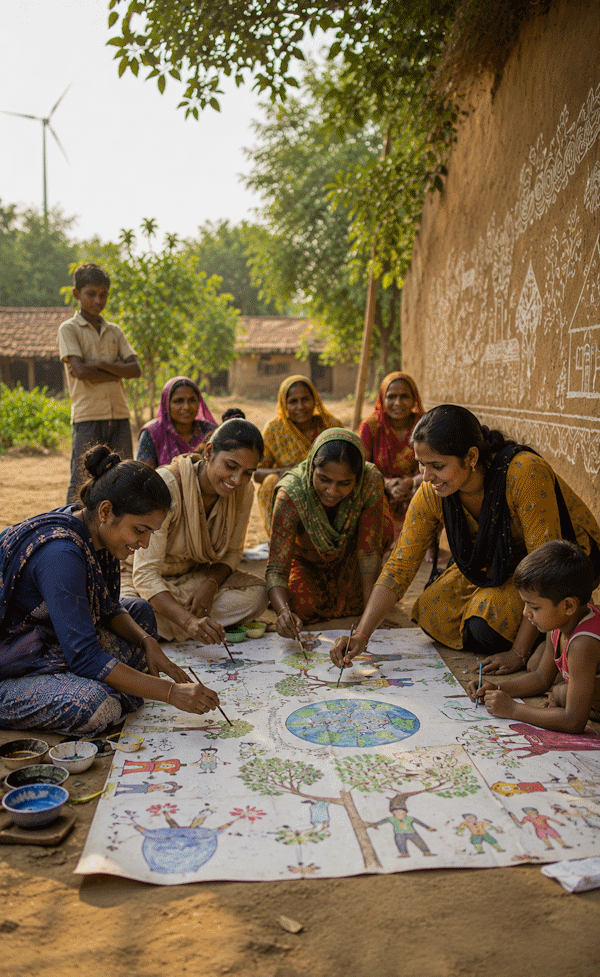
CoP R employs participatory tools of co‑design — community counter‑maps, climate dialogues, and artistic expressions. Counter‑maps redraw landscapes to highlight vulnerabilities and aspirations ignored in official planning. Climate dialogues through art, everyday practices, and lifeworld narratives amplify marginalized voices, transforming lived experiences into instruments of governance. These tools democratize knowledge production, ensuring adaptation strategies are co‑authored by communities. By weaving creativity with deliberation, participatory co‑design nurtures agency, builds ownership, and makes climate action both inclusive and imaginative — a process where expression itself becomes resilience.
The 5A Actor Framework (People)
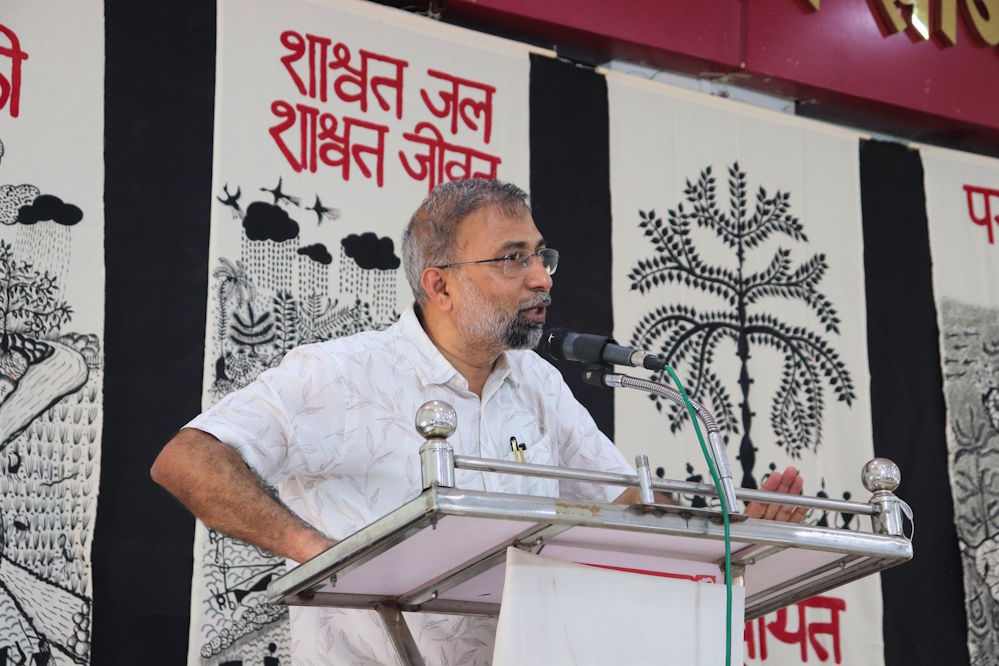
Community Counter‑Maps
Community counter‑mapping is at the heart of our participatory climate action. These are not technical diagrams but maps of meaning, drawn by communities to reclaim space, voice, and vision. Vulnerability maps show where climate impacts are felt most; burden maps reveal who carries the weight of survival; aspiration maps capture dreams of resilience; and resource maps highlight land, water, and commons. Together with gender maps, climate memory maps, and resilience webs, they form a Community Climate Atlas — a living archive of local wisdom. Counter‑maps transform planning into a process of epistemic justice, where communities speak as planners, not participants.
Training as Participatory Living Maps
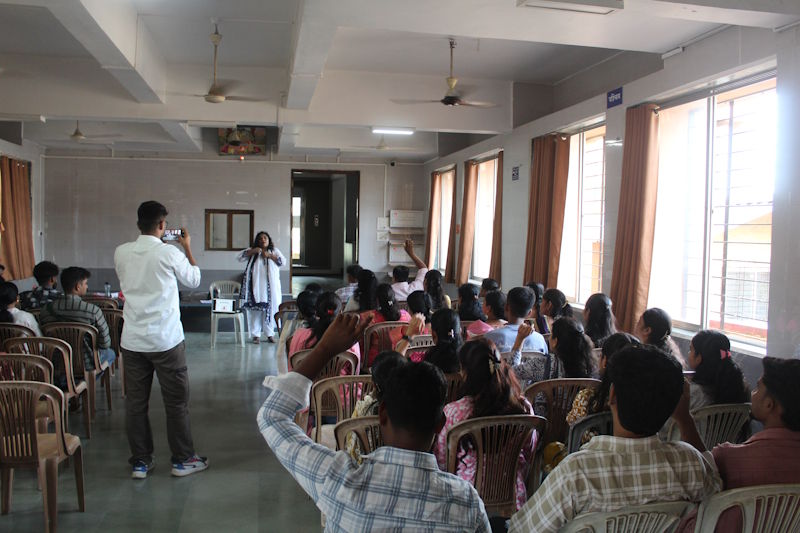
Training is redefined as a transformative act of knowledge creation, not a preparatory exercise. Rooted in the philosophy of DIL — Decolonisation, Indigenisation, Localisation, and the methodology of Routes through Roots, training becomes a journey of reclamation. Communities generate embodied knowledge through story circles, mapping, theatre, and collective reflection. Each exercise produces living maps of vulnerability, resilience, and aspiration, turning training into pedagogy, research, and governance at once. By centering marginalized voices, training evolves into a community‑driven climate atlas, where planning is not imposed but discovered, felt, and co‑authored by those who live the climate crisis.
Climate Dialogue through Community Expressions
Community counter‑mapping is at the heart of our participatory climate action. These are not technical diagrams but maps of meaning, drawn by communities to reclaim space, voice, and vision. Vulnerability maps show where climate impacts are felt most; burden maps reveal who carries the weight of survival; aspiration maps capture dreams of resilience; and resource maps highlight land, water, and commons. Together with gender maps, climate memory maps, and resilience webs, they form a Community Climate Atlas — a living archive of local wisdom. Counter‑maps transform planning into a process of epistemic justice, where communities speak as planners, not participants.
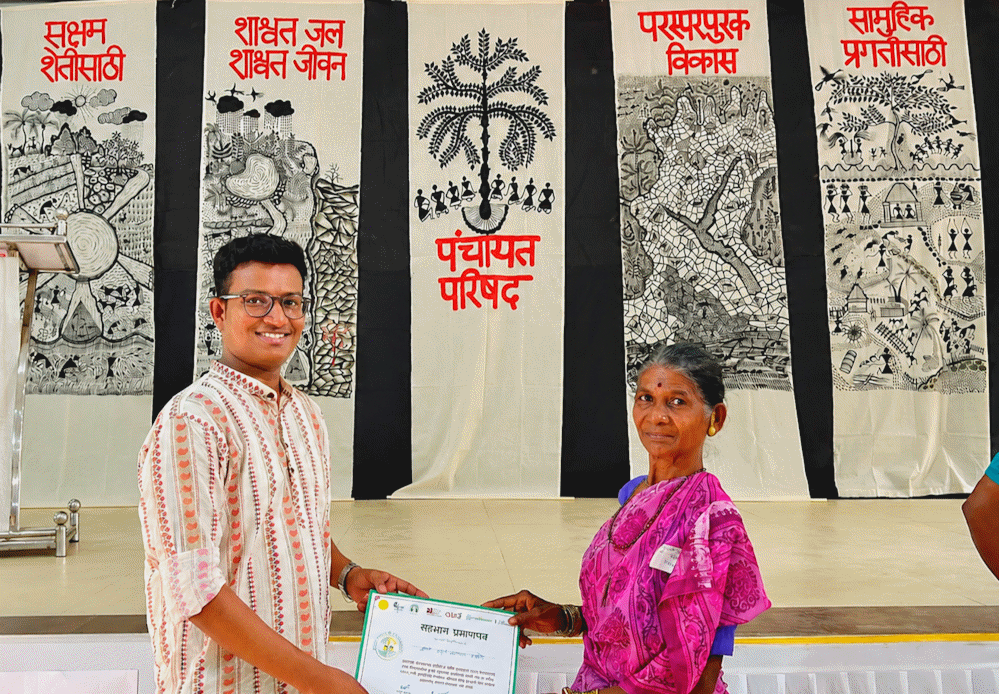
Community Video
- Community video is a participatory tool where local voices shape climate justice narratives.
- Villagers, women, youth, and elders co-create the story through lived experiences.
- The camera documents resilience, creativity, oral histories, and ecological wisdom.
- The video serves as an archive, advocacy tool, and space for reflection and healing.
- Communities become co-authors of their own futures, not just subjects of documentation.
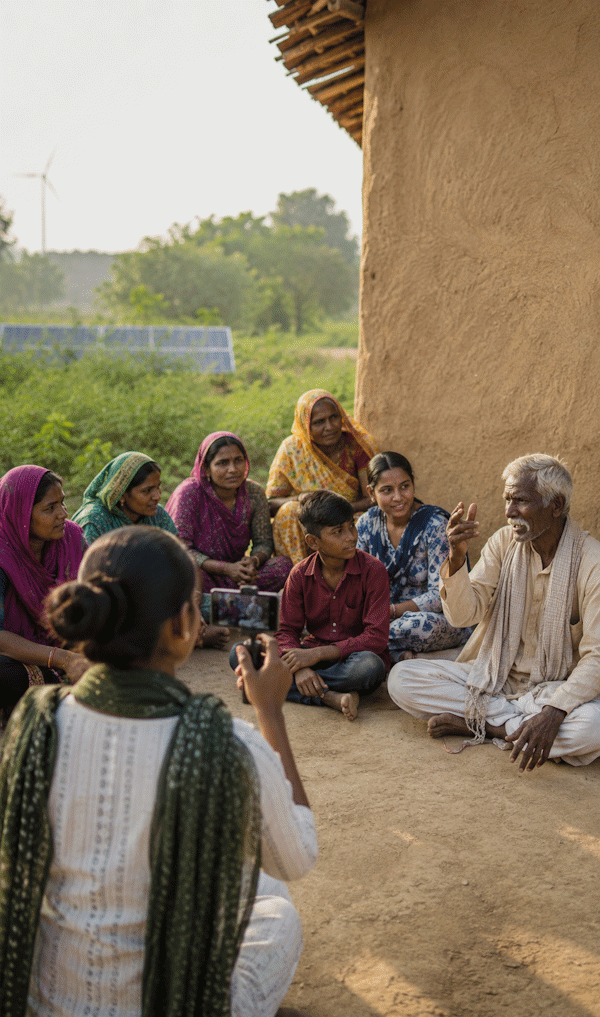
Community Theatre
- Community theatre uses local voices and performances to express climate justice narratives.
- Villagers, women, youth, and elders share stories of resilience, vulnerability, and hope.
- Songs, rituals, and performances make climate dialogue culturally rooted and emotionally engaging.
- Theatre highlights indigenous wisdom and everyday practices through collective storytelling.
- It bridges art and governance, ensuring climate planning reflects local language, culture, and imagination.
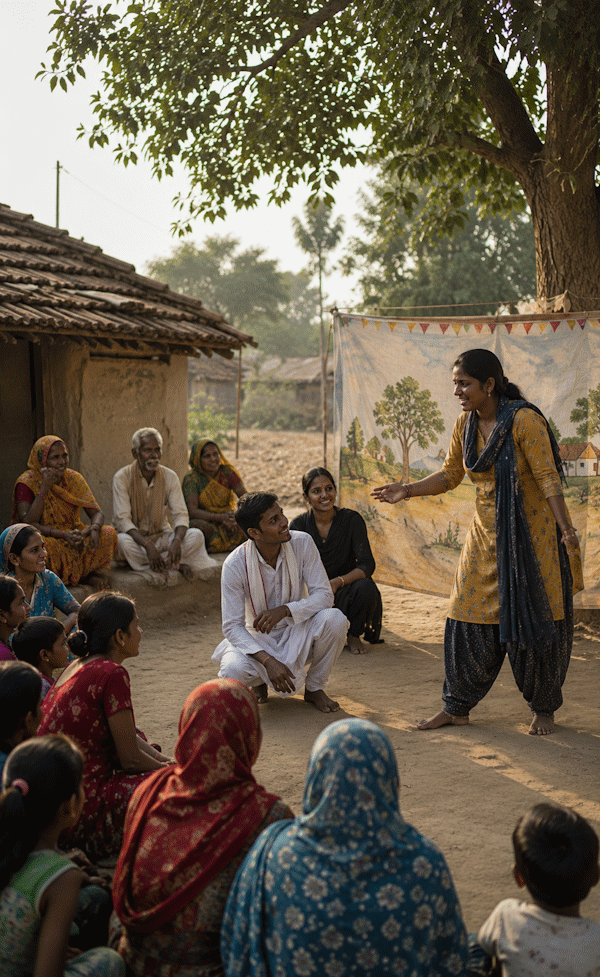
Community Art
- Community art expresses climate justice, cultural resilience, and collective memory through creative practices.
- Villagers actively co-create murals, songs, weavings, and installations that reflect their lived realities.
- Art embeds indigenous wisdom, gendered perspectives, and local identity into public spaces.
- It serves as a participatory tool for education, solidarity, and amplifying marginalized voices.
- Community art becomes both a form of resistance and a pathway for social transformation.